Summary: Effective B2B copywriting must shift from “puddle marketing” to identity-centric messaging that makes the customer feel “seen” through deep empathy and validation. By mirroring the customer’s internal narrative, brands can transform technical solutions into personal emotional connections that drive higher engagement and loyalty.
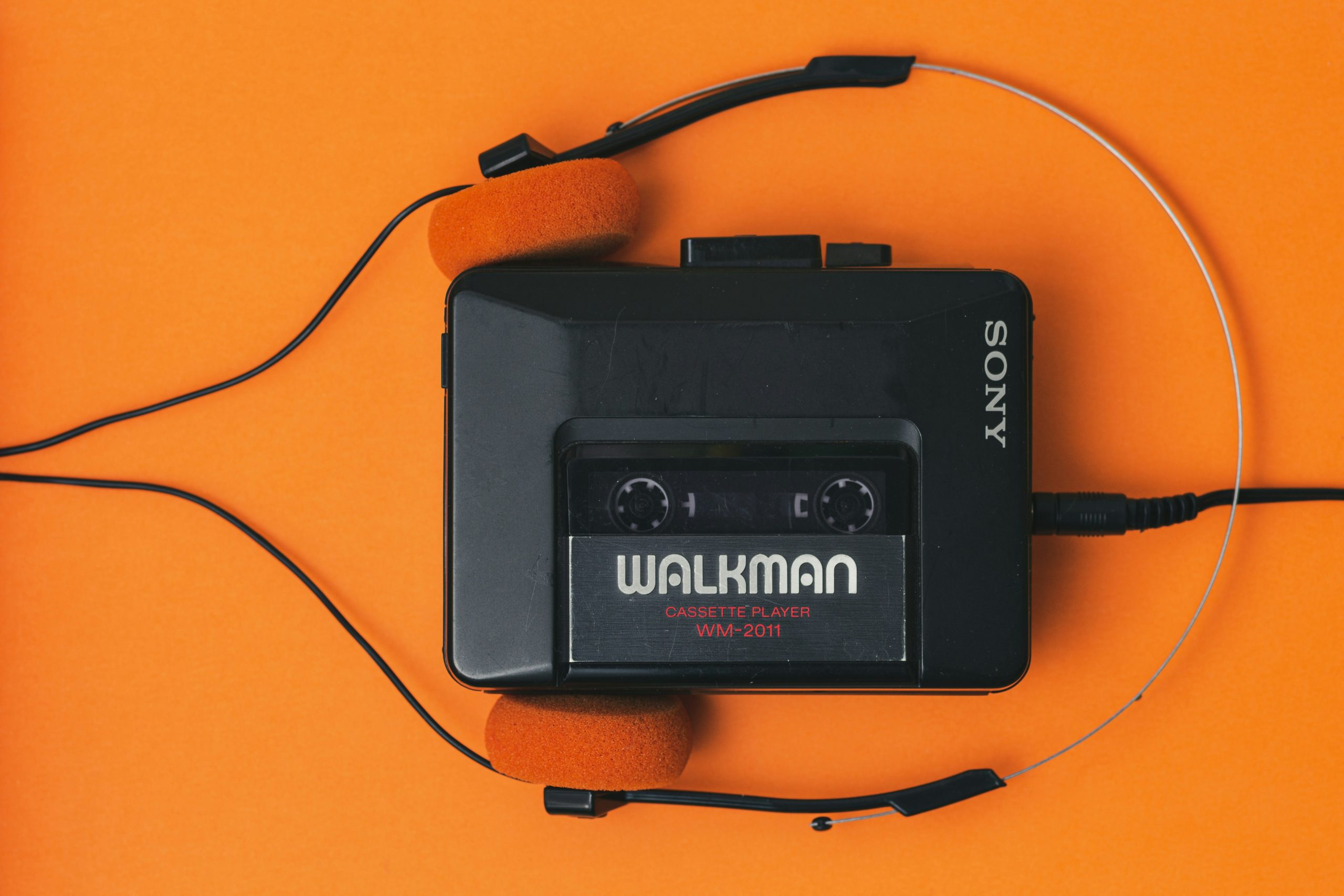
I worked with Sony in the UK, back in my early copywriting days. I suggested a bold move for the Walkman — and their marketing team went for it.
I’ll get to the Sony story in a moment. But to see the relevance, let’s first focus a general problem with B2B tech marketing. Bear with me.
So many brands sounds the same. It comes across something like this:
Our state-of-the-art solutions help organizations from all sectors to succeed.
This is puddle marketing: A mile wide and an inch deep.
It feels like a company is afraid to drill down any deeper — in case it loses sales.
What customers want is relevance. And, for that, you need to be specific. Much better to be very interesting to 2% of your audience, than vaguely OK to 60% of them. But how’s this done?
What kind of chocolate bar are you?
Years ago, social media was awash with personality tests. What kind of Marvel superhero or chocolate bar are you? That kind of thing. The trend came in waves and last made a comeback on TikTok during the Covid era.
The psychology of self-discovery in copywriting
Our observations reveal four key psychological drivers that make audiences feel ‘seen’:
- Intrinsic self-curiosity: Audiences are naturally driven to explore their own motivations; copy that enables self-discovery earns higher engagement.
- External validation: There’s a reward when a brand shows genuine curiosity about a customer’s specific challenges.
- Identity enhancement: Consumers seek ‘identity Capital’ … information that helps them refine how they see themselves and their potential.
- Social currency: Validation creates shareable moments; a customer who feels understood is more likely to become a vocal brand advocate.
Back in the 2000s, I worked with Sony in the UK on marketing for the Walkman. Each model had slightly different features. It wasn’t easy to understand the range. So, I pitched an idea: Which Sony WALKMAN are you?
I wasn’t sure if Sony would go for it. But they did.
Basically, there were various WALKMAN types: The One who wants it all; Serious music fan; Fitness fanatic; News hound; Reborn classic; and Baby of the family. Each product had different strengths.
Thinking back, it sounds cheesy. But in that era, it worked. And there’s a lesson here.
Sometimes customers struggle to make choices. The more details you give them, the more baffling it all becomes – and they walk away.
But our Sony idea gave customers a much simpler way to identify themselves with a product.
They didn’t need to figure out their best options from wading through a matrix of bullets and benefits. Our approach was positive, personal and formed an emotional connection.
So, how does this relate to B2B tech marketing today?
Sure, the Sony example was in the world of B2C where’s more scope to be creative and talk about lifestyle. But something of our approach can be applied with B2B.
Product managers, marketers and copywriters need to better articulate how their offerings meet the needs of buyer personas.
What keeps people awake, what’s holding them back, and what could they unlock with solution XYZ?
But don’t just think about it purely from a business standpoint.
What helps them personally too: making their lives easier, more rewarding, or winning them kudos from colleagues?
Does your marketing indicate any interest in their lives — other than selling them stuff?
Does your copywriting include knowing nods about the challenges, honest appreciation for their role, and the occasional winks?
Potentially, we’re straying into the realms of customer segmentation, CRMs, digital experience platforms, and maybe account-based marketing (ABM).
But forget all that for a moment. It’s easy to view this simply as a ‘we need more data issue’ and get all mechanical again.
Rather, make your copy more relevant, human and empathetic. Begin at the messaging level or infuse into your copywriting.
The result? Customers will feel seen. They’ll smile, nod and identify with your brand. At last, someone understands them and wants to help with their struggles and aspirations.
Frequently Asked Questions
Empathetic copywriting is a marketing strategy focused on making the customer feel ‘seen’ by validating their challenges and aspirations rather than just listing product features.
To make customers feel seen, writers must use conversational language (such as ‘you’) and show they’ve understood the pressures faced by the audience. This happens on a human level by speaking to emotions like stress, relief, and happiness.
Apply the ‘coffee test’: Is this how I’d speak to a friend across the table? Human-centered copy includes empathy and personal experiences. Unlike AI-generated bullets, long-form copy allows for a story arc where a fuller human narrative can be unpacked.
Credit: Photo by Florian Schmetz on Unsplash